Best Dog Food for Sensitive Stomachs in 2026: What Vets Actually Recommend
PetGearPal is reader-supported. If you buy through links on this page, we may earn a commission at no extra cost to you. As an Amazon Associate, we earn from qualifying purchases.
If your dog has loose stools more days than not, vomits after eating, or has gas that clears the room, their food is almost certainly part of the problem. Sensitive stomachs are one of the most common issues vets see — and one of the most fixable.
The tricky part: “sensitive stomach” means different things for different dogs. For some it’s an ingredient intolerance. For others it’s eating too fast, a diet too high in fat, or an imbalance in gut bacteria. This guide cuts through the noise and covers the best dog food for sensitive stomachs in 2026 — including when to try a dietary switch, when to see a vet, and exactly what to look for on the label.
What “Sensitive Stomach” Actually Means
A sensitive stomach isn’t a diagnosis — it’s a symptom pattern. Dogs with sensitive stomachs typically show some combination of:
- Chronic loose stools or soft stool (not always diarrhea, just never quite firm)
- Vomiting after eating — especially undigested food shortly after a meal
- Excessive gas or bloating
- Gurgling noises from the stomach (borborygmi)
- Reduced appetite or inconsistent eating
- Grass eating (often a sign of GI discomfort)
These symptoms can have many causes, and food is one of the most common. But it’s worth ruling out parasites, infections, and underlying conditions (like IBD, pancreatitis, or exocrine pancreatic insufficiency) with your vet before assuming it’s purely diet-related. If symptoms are severe or sudden, see a vet first.
What to Look for in a Sensitive Stomach Dog Food
High Digestibility
The most important factor. Easily digestible proteins and carbohydrates pass through the GI tract without fermenting or causing irritation. Look for named protein sources (chicken, turkey, salmon) rather than meat by-product meals, and simple carbohydrate sources like white rice, sweet potato, or oatmeal.
Limited Ingredients
Fewer ingredients means fewer potential triggers. Novel protein sources — proteins your dog hasn’t eaten before (venison, duck, rabbit) — can help if a specific ingredient intolerance is at play. Many dogs with sensitive stomachs are reacting to chicken or beef without their owners realizing it.
Low to Moderate Fat
High-fat diets are a common trigger for digestive upset, especially vomiting and diarrhea. Look for foods with 10–15% fat on a dry matter basis. Dogs with pancreatitis need this to be even lower — under 10%.
Added Prebiotics and Probiotics
Gut health is directly connected to digestive stability. Foods with prebiotics (FOS, chicory root, inulin) and live probiotic cultures help maintain the microbiome balance that keeps stool consistent.
No Common Irritants
Avoid foods with artificial colors, artificial preservatives (BHA, BHT, ethoxyquin), and excessive fillers like corn syrup or high amounts of soy. Grain-free isn’t automatically better — many grain-free foods are actually higher in fat and use legumes that some dogs don’t tolerate well.
Best Dog Food for Sensitive Stomachs in 2026: Our Top Picks
🥇 Pick #1: Hill’s Science Diet Sensitive Stomach & Skin (Best Overall)
(4.7★ · 5,600+ reviews) View on Amazon →

What makes Hill’s stand out is the clinical research behind it. The brand invests more in feeding trials and digestibility studies than virtually any other mainstream pet food company. This isn’t marketing — it’s why so many veterinarians reach for it when a client’s dog has ongoing GI issues.
The Sensitive Stomach & Skin formula is available in both dry and wet, making it easy to transition or mix. The wet version is especially useful during an active flare-up, when extra hydration helps and palatability matters more.
Best for: Dogs with chronic loose stools or soft stool of unknown cause; first dietary intervention recommended by a vet.
Not ideal for: Dogs with confirmed protein allergies (the formula contains chicken and chicken meal — switch to their limited-ingredient line if chicken is the trigger).
🥈 Pick #2: Purina Pro Plan Sensitive Skin & Stomach — Salmon (Best for Chicken-Sensitive Dogs)
(4.6★ · 9,800+ reviews) View on Amazon →

Pro Plan is one of the most research-backed mainstream brands available. Their formulas undergo AAFCO feeding trials (not just nutrient analysis), and the Sensitive Skin & Stomach line has a genuine performance record for dogs with chronic digestive issues. Many owners who’ve cycled through multiple “sensitive” formulas find stability here.
The prebiotic fiber blend supports a healthy gut microbiome, and the omega-3 and omega-6 ratio addresses the skin component that often accompanies digestive sensitivity.
Best for: Dogs who’ve previously done poorly on chicken-based foods; medium to large breeds with chronic GI issues.
🥉 Pick #3: We Feed Raw (Best Fresh/Raw Option for Sensitive Stomachs)
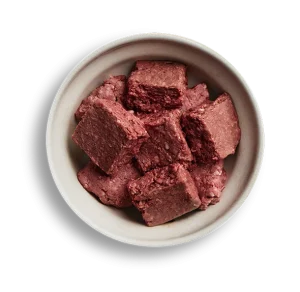
This is counterintuitive to many owners: raw food is often one of the best options for dogs with sensitive stomachs, not the worst. Highly processed kibble can be harder to digest than the muscle meat, organ, and bone that make up a properly balanced raw diet.
Many owners who’ve struggled with chronic soft stool on commercial kibble report firmer, smaller, and more consistent stools within a week or two of switching to raw. The high moisture content is an added benefit — better hydration supports digestion overall.
Important caveat: Raw food requires careful handling, and some dogs (and households) aren’t good candidates — particularly if there are immunocompromised people in the home, or if the dog has a severe GI infection. Talk to your vet before making the switch.
Best for: Dogs whose sensitive stomachs haven’t responded to kibble changes; owners who want to identify specific protein triggers through single-ingredient elimination.
Pick #4: Royal Canin Gastrointestinal Low Fat (Best for Pancreatitis or High-Fat Sensitivity)
(4.6★ · 3,200+ reviews) View on Amazon →
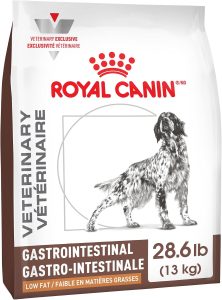
For dogs whose sensitive stomachs are specifically triggered by fat — including dogs with a history of pancreatitis, hyperlipidemia, or those who vomit after eating rich foods — Royal Canin’s Gastrointestinal Low Fat formula is the most targeted option available.
This is a veterinary diet, which means it requires a vet’s recommendation, but it’s available without a formal prescription at many online retailers. The fat content is significantly reduced compared to standard formulas, while digestibility remains high through a combination of highly digestible proteins and easily absorbed fibers.
If your dog vomits after meals, especially fatty or rich ones, or if your vet has mentioned pancreatitis, this formula is worth a direct conversation.
Best for: Dogs with confirmed or suspected pancreatitis; dogs who reliably vomit after eating rich foods; dogs with chronically elevated lipase levels.
Pick #5: Open Farm Homestead Turkey & Chicken Recipe (Best Clean Kibble Alternative)
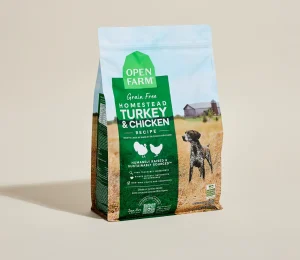
The Gently Cooked line from Open Farm is worth considering for sensitive stomachs specifically: higher moisture than dry kibble (which aids digestion and reduces GI transit time), lightly processed proteins that are easier to break down than extruded kibble, and the same clean ingredient standards.
Best for: Owners who want a cleaner-label alternative to Hill’s or Pro Plan without going to full raw; dogs who need a slight upgrade from grocery-store kibble.
When Food Isn’t the Problem: Other Causes of Sensitive Stomachs
A diet change can help a lot — but if you switch foods and nothing improves after 6–8 weeks, the issue may not be food at all.
Common non-food causes of chronic GI issues in dogs:
- Intestinal parasites — Giardia, whipworms, and roundworms cause chronic loose stool and are often missed on routine fecal exams. Request a Giardia-specific antigen test if standard fecal is negative.
- Small intestinal bacterial overgrowth (SIBO) — Often causes chronic soft stool, gas, and occasional vomiting, and is treatable with antibiotics.
- Exocrine Pancreatic Insufficiency (EPI) — Dogs with EPI can’t produce enough digestive enzymes. They eat well but lose weight and have chronic loose, pale, greasy stool. Highly treatable with enzyme supplementation once diagnosed.
- Inflammatory Bowel Disease (IBD) — Chronic inflammation of the GI tract, often requiring dietary management, steroids, or immunosuppressants depending on severity.
- Food allergies (vs. food intolerance) — True food allergies involve an immune response and often include skin symptoms (itching, ear infections) alongside GI issues. They require strict elimination diets to diagnose properly.
If your dog has had chronic GI issues for more than 4–6 weeks, has lost weight, or has blood in the stool, see a vet before trying another food. A telehealth consult through Dutch can be a quicker way to get initial guidance and rule out conditions that need labwork.
How to Transition to a New Food Without Making Things Worse
Rapid food changes are one of the most common causes of GI upset — even switching to a sensitive stomach formula can cause a flare-up if done too quickly.
Standard transition schedule:
- Days 1–2: 75% old food, 25% new food
- Days 3–4: 50/50 mix
- Days 5–6: 25% old food, 75% new food
- Day 7+: 100% new food
For dogs with genuinely sensitive stomachs, extend this to 2–3 weeks. Slow transitions allow the gut microbiome to adjust gradually.
Tips for transition:
- Add a plain probiotic (Fortiflora is widely used) during the transition period to support microbiome balance
- Plain canned pumpkin (1–2 tablespoons, not pie filling) can help firm up stool during transitions
- Don’t add new treats or toppers during the transition — eliminate variables
- If vomiting or diarrhea worsens significantly, pause and consult your vet
Sensitive Stomach Dog Food FAQ
My dog has always had loose stools. Is that normal? No. Consistently loose or soft stool is not a normal baseline — it indicates the current diet or an underlying issue isn’t being addressed. Normal dog stool is firm, log-shaped, and easy to pick up. Chronic soft stool warrants a dietary change and, if it persists, a vet visit.
Should I try grain-free food for my dog’s sensitive stomach? Not necessarily. Grain-free foods aren’t automatically easier to digest — many use legumes (peas, lentils, chickpeas) as primary carbohydrates, which some dogs actually tolerate worse than grains like rice or oatmeal. Grain-free is worth trying if your dog has a confirmed grain intolerance, but it’s not the first move for an unspecified sensitive stomach.
Does wet food help with sensitive stomachs? Often yes. Higher moisture content helps with digestive transit, and wet food is generally more digestible than dry kibble. It’s a good option during active flare-ups and for dogs who need easier digestion overall.
Can I add probiotics to my dog’s current food instead of switching? Yes, and it’s often worth trying first. Purina Fortiflora (a daily probiotic sachet) is the most studied and recommended dog probiotic, and it can produce noticeable improvements in stool consistency within a week or two for some dogs. If it doesn’t help within 3–4 weeks, a food switch is likely needed.
How long does it take to know if a food is working? Give it at least 4–6 weeks after completing the full transition. GI improvements often begin within 2 weeks but can take longer to fully stabilize. If there’s no improvement at 6–8 weeks, the food isn’t the right match.
Related reading: Best Dog Food for Allergies | Best Fresh Dog Food Delivery Services 2026 | We Feed Raw Review | How Much Should I Feed My Dog? | Best Dog Food for Weight Management