Best Fresh Dog Food Delivery Services in 2026
PetGearPal is reader-supported. If you buy through links on this page, we may earn a commission at no extra cost to you. As an Amazon Associate, we earn from qualifying purchases.
Last updated: June 2026 | ~2,050 words

Kibble Is Convenient. It’s Not Always the Best You Can Do.
Fresh dog food delivery has moved from niche trend to mainstream option in the last five years, and for good reason — fresh, minimally processed meals with real, traceable ingredients are simply a higher-quality starting point than most bagged kibble, which is cooked at high heat and often built around meat meal and fillers rather than whole ingredients.
The fresh food category isn’t one thing, though. Some brands are meat-based, some are raw, some are gently cooked, and at least one major player has built a genuinely complete plant-based option. Picking the right one depends less on which brand has the best marketing and more on what your dog needs, what you’re comfortable handling, and what fits your budget.
This guide compares the leading fresh dog food delivery services available in 2026, including a rare, time-limited promotion worth knowing about if raw feeding interests you.
Comparison Table: Best Fresh Dog Food Delivery Options (2026)
| Brand | Food Type | Best For | Starting Price |
|---|---|---|---|
| We Feed Raw | Raw, frozen | Dogs needing max bioavailability, allergy-prone dogs | Varies by plan |
| PawCo Foods | Plant-based, fresh | Vegan households, dogs with protein allergies | ~$35–$69/box |
| The Farmer’s Dog | Gently cooked, fresh | Most dogs, easiest transition from kibble | Custom per dog |
| Ollie | Fresh, cooked or baked | Owners who want format flexibility | Custom per dog |
Our Top Picks
🥇 1. We Feed Raw — Best for Raw Feeding & Allergy-Prone Dogs
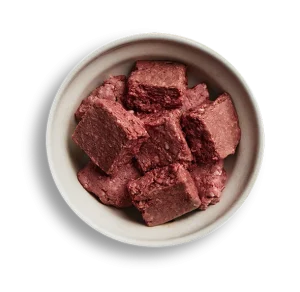
We Feed Raw built its entire model around an idea that resonates with anyone who’s watched a dog struggle with chronic skin issues, digestive sensitivity, or food allergies: a diet closer to what dogs evolved to eat tends to produce real, visible improvements — shinier coats, smaller and less frequent stools, more stable energy, and in many cases, the resolution of symptoms that owners had accepted as “just how their dog is.”
The format is raw and frozen, shipped directly to your door, with recipes built around a single novel protein per formula — useful for dogs with suspected food sensitivities, since it makes elimination testing straightforward. Every batch is tested for pathogens before shipping, addressing the most common (and most warranted) concern people have about raw feeding.
What we love:
- Single-protein recipes make allergy elimination testing simple
- Frozen-at-peak-freshness format preserves nutrient density
- Strong customer-reported outcomes for skin, coat, and digestive issues
- Pathogen testing on every batch
Watch out for:
- Requires freezer space and a thaw routine — more hands-on than kibble or shelf-stable options
- Raw feeding isn’t universally recommended; the AVMA cautions against unregulated raw feeding due to bacterial risk, so handling hygiene matters
- Not the right fit for households with immunocompromised members, given raw meat handling
Best for: Dogs with chronic allergies or digestive sensitivity that haven’t resolved on commercial diets, owners comfortable with raw meat handling and freezer storage, dogs who do best on a single novel protein
Read our full We Feed Raw review →
🥈 2. PawCo Foods — Best Plant-Based Option

PawCo takes a genuinely different approach from every other brand on this list: it’s 100% plant-based, built around GreenMeat™, a proprietary plant-protein base developed by a former Impossible Foods food scientist. This isn’t a niche health-food gimmick — PawCo’s formulas are designed by board-certified animal nutritionists to meet and exceed AAFCO standards for complete and balanced nutrition at all life stages.
The most common reasons owners turn to PawCo are ethical (reducing the animal-product footprint of pet ownership) and medical (dogs with confirmed allergies to common animal proteins like chicken, beef, or lamb sometimes do remarkably well on a plant-based formula that removes those allergens from the equation entirely). Real-world feedback is notably strong on palatability — a frequent concern with plant-based pet food — with many owners reporting their dogs took to it faster than expected, including some famously picky eaters.
The product line has expanded well beyond a single fresh food: GreenBites (the standard fresh formula), LuxBites (a premium formula with fermented protein and postbiotics for gut health), InstaBites (a shelf-stable option for owners without freezer space), plus treats, toppers, and the recently launched SuperSalad — a whole-food nutrient booster with real vegetables.
What we love:
- Formulated by board-certified animal nutritionists; exceeds AAFCO standards
- Genuine option for dogs with multiple protein allergies
- InstaBites shelf-stable format solves the freezer-space problem other fresh brands create
- Strong sustainability story — lower carbon and water footprint than animal-based alternatives
- High palatability reports, even from picky dogs
Watch out for:
- A meaningful philosophical shift for owners used to meat-based feeding — not everyone is comfortable with a fully plant-based diet for a carnivore-adjacent species, even when nutritionally complete
- Premium pricing, similar to other fresh food subscriptions
- Newer brand than some competitors, with a shorter long-term track record
Best for: Vegan or environmentally conscious households, dogs with confirmed allergies to multiple animal proteins, owners who want a fresh food option without freezer commitment (via InstaBites)
🥉 3. Open Farm — Best for Ethical Sourcing and Transparency
Open Farm is the most transparently sourced fresh dog food brand available. Every bag carries a batch code linking to the specific farms and fisheries that supplied each ingredient — a level of traceability no other major brand offers. Their freeze-dried raw and gently cooked lines use humanely certified proteins with short, identifiable ingredient lists. For owners who care deeply about where their dog’s food comes from, Open Farm stands apart. See our full Open Farm review for a detailed breakdown of each product line.
Best for: Owners who prioritise sourcing ethics and supply chain transparency; dogs with food sensitivities who need limited, traceable ingredients.
4. The Farmer’s Dog — Easiest Transition from Kibble
The Farmer’s Dog remains the most recognizable name in fresh dog food, and for owners who want the benefits of fresh feeding without the bigger lifestyle shift that raw feeding requires, it’s a sensible default. Meals are gently cooked (not raw), pre-portioned by your dog’s specific calorie needs, and shipped in ready-to-serve packs that go straight in the fridge — no thawing logistics, no raw-handling precautions.
The personalization process is the most thorough in the category: you answer detailed questions about your dog’s breed, age, weight, activity level, and health conditions, and the portions are calculated specifically for that profile rather than a generic weight-range serving size.
Best for: Owners who want fresh food benefits without raw handling, dogs transitioning from kibble who need a gentler shift, anyone who wants meal portions calculated specifically for their dog
5. Ollie — Most Flexible Format Options
Ollie distinguishes itself by offering both fresh and baked formats, letting owners choose (or mix) based on what works for their dog and their storage situation. The baked option behaves more like a dense, less-processed kibble — easier to store and serve, while the fresh option delivers the higher palatability and digestibility benefits typical of the category.
Best for: Multi-dog households with different preferences, owners who want flexibility between fresh and shelf-stable formats
How to Choose the Right Fresh Food for Your Dog
If your dog has chronic allergies or digestive issues that haven’t resolved: Start with We Feed Raw’s single-protein approach for clean elimination testing, or PawCo if the suspected allergen is an animal protein specifically.
If you’re transitioning from kibble for the first time: The Farmer’s Dog or Ollie offer a gentler introduction — cooked rather than raw, with less handling complexity.
If freezer space is limited: PawCo’s InstaBites is the only shelf-stable fresh option in this roundup.
If ethical or environmental concerns are a factor: PawCo is the clear choice as the only plant-based, complete-and-balanced option available.
What “Fresh Food” Actually Means — and Why It’s Different From Kibble
Kibble is cooked at high heat through an extrusion process, which is efficient and shelf-stable but degrades some heat-sensitive nutrients in the process — manufacturers compensate by adding synthetic vitamins back in after cooking. Fresh food, whether raw or gently cooked, preserves more of the food’s natural nutrient profile and is typically built around whole, identifiable ingredients rather than rendered meat meals and starches.
The tradeoff is logistics and cost. Fresh food requires refrigeration or freezing, has a shorter shelf life, and costs meaningfully more per meal than kibble. For dogs doing well on a quality kibble with no health concerns, that tradeoff may not be worth making. For dogs with chronic skin, coat, digestive, or weight issues that haven’t resolved on commercial kibble, fresh food is one of the most evidence-supported things you can try.
Before the FAQ: Related Reading
If allergies are part of why you’re considering a switch, our best dog food for allergies guide covers ingredient-level troubleshooting that applies whether you land on a fresh brand or a specialized kibble. For a deeper look at one of the options above, our full We Feed Raw review covers the subscription mechanics, shipping logistics, and real customer feedback in detail. And if your dog’s digestive issues are connected to how quickly they eat rather than what they eat, our best slow feeder dog bowls guide addresses a frequently overlooked contributing factor.
FAQ
Q: Is fresh dog food actually better than kibble? For most dogs, fresh food provides a higher-quality nutrient profile and better digestibility than kibble, particularly budget kibble built around meat meal and fillers. That said, quality kibble formulated to AAFCO standards is a complete and safe option, and the AVMA does not consider fresh food medically necessary for healthy dogs. The clearest case for switching is a dog with unresolved allergy, skin, coat, or digestive symptoms.
Q: Is raw feeding safe? This is genuinely debated in veterinary circles. The AVMA opposes unregulated raw feeding due to bacterial contamination risk to both pets and humans handling the food. Reputable raw brands like We Feed Raw address this with pathogen testing on every batch, which significantly reduces (though doesn’t eliminate) the risk compared to home-prepared raw diets. If you’re immunocompromised or have young children in the household, discuss raw feeding with your vet first.
Q: Can a plant-based diet actually be complete and balanced for a dog? Yes, when properly formulated. Dogs are omnivores, not obligate carnivores like cats, and can derive complete nutrition from a well-designed plant-based diet. PawCo’s formulas are designed by board-certified animal nutritionists specifically to meet AAFCO’s complete-and-balanced standard. That said, any plant-based diet should be a commercially formulated complete product — not a home-made vegetarian diet, which is much harder to balance correctly.
Q: How do I transition my dog to fresh food without digestive upset? Gradually, over 7–10 days. Mix increasing proportions of the new food with your dog’s current diet, starting around 25% and increasing every 2–3 days. Most fresh food brands include specific transition instructions with your first order.
Q: Is fresh dog food worth the extra cost? For dogs without health issues thriving on quality kibble, the extra cost may not be necessary. For dogs with chronic allergy, skin, coat, or digestive problems, many owners find the cost is offset by reduced vet visits and a visibly healthier dog. It’s a genuinely individual cost-benefit calculation.